
How to Seate Guests at a Wedding
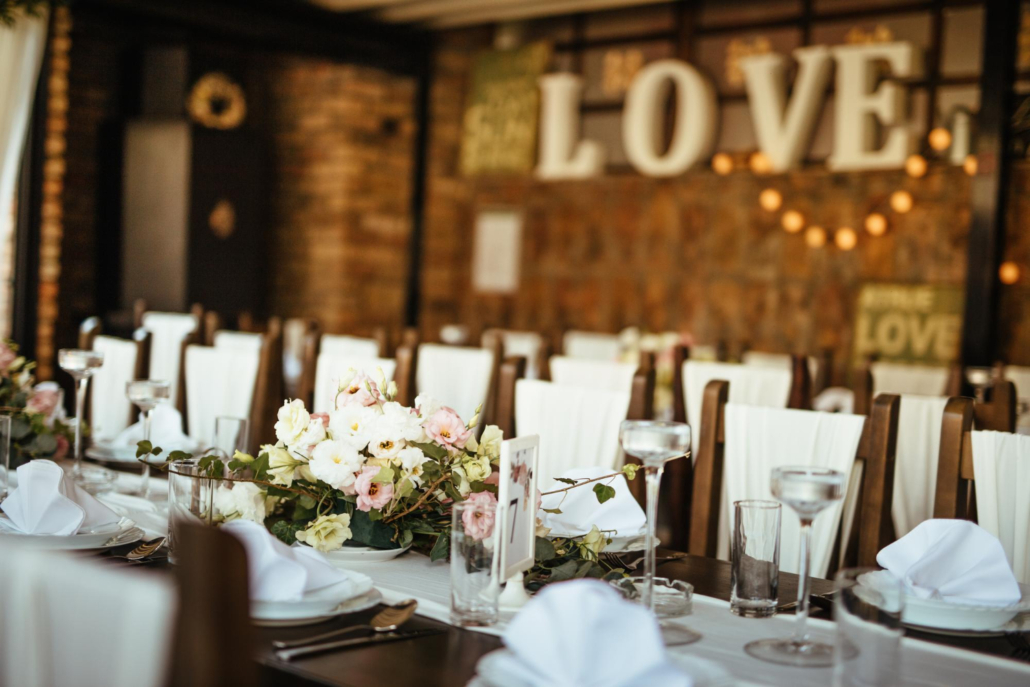
The perfect outfits have been chosen, the chef’s exquisite menu has been finalized, and the floral and decor concepts have been approved. It seems that the most challenging stages of preparation are already behind us. However, a few weeks before the event, a question arises that can spark even more heated debates than the choice of venue: exactly how to seat the guests.
An ill-conceived seating arrangement can turn a festive evening into an awkward standoff or leave loved ones feeling bored. That’s exactly why a professional wedding planner begins working on the table layout well in advance because it’s not just a technical formality, but the creation of the emotional map of the celebration.
Why Seating Arrangements Are More Important Than They Seem
Guests spend most of their time at a wedding reception right at their tables. This is where they dine, socialize, share their impressions, and get into the festive spirit. A well-thought-out seating arrangement subtly shapes the entire atmosphere of the event: it helps strangers quickly find common ground, prevents awkward silences in conversations, and defuses long-standing family tensions.
This is a fundamental component of what the industry refers to as the guests’ wedding experience that sense of personal care and comfort that every attendee takes home with them after the celebration. When people feel at ease among their tablemates, they’re more willing to participate in the program, dance more enthusiastically, and create that very genuine atmosphere the newlyweds dream of.
Common Mistakes When Seating Guests
Even the most expensive decor won’t save the evening if you make classic mistakes in the logistics of the venue.
- Seating everyone randomly. The idea that adults will find their own seats always leads to chaos. Couples who arrive later are forced to sit apart, while people with completely opposing views on life end up at the same table.
- Seating guests solely by age. Attempting to group people based solely on age often backfires. IT colleagues and relatives with conservative views are unlikely to find common ground, even if they’re the same age.
- Ignoring family conflicts. Divorced parents who don’t speak to each other, or relatives who have been feuding for a long time, sitting at the same table that’s a surefire way to ruin the mood for everyone in the room.
- Mixing groups of people without shared interests. If you seat quiet introverts next to boisterous friends from college, the former will feel overwhelmed, and the latter will feel inhibited in their banter.
- Ignoring guests who came alone. Seating a guest who came alone at a table where only married couples are seated is a serious breach of etiquette that will only highlight their loneliness.
- Putting off decisions until the last minute. Trying to create seating charts three days before the wedding while everyone is exhausted leads to logistical mistakes and panic on the big day.
Where to Start with Seating Arrangements
You should only create the final seating plan after you’ve received all RSVP confirmations. The optimal process looks like this:
- Receiving RSVP responses and compiling an accurate guest list.
- Preliminarily dividing guests into groups (family, colleagues, high school friends, college friends).
- Identify sensitive areas (family conflicts, ex-partners, language barriers).
- Choose the table layout in consultation with the decorator and venue manager.
- Assign guests to specific tables and create a user-friendly seating plan.
How to seat relatives correctly
The choice of table layout directly influences the dynamics of interaction and the style of the evening.
Family-style seating a cozy format where dishes are served on large shared platters. This arrangement perfectly complements intimate weddings or an informal romantic picnic on the eve of the main celebration.
Traditional wedding etiquette dictates that parents and close relatives should sit at tables located closest to the couple’s head table. This highlights their special status at the celebration.
However, modern realities often call for flexibility. If the parents are divorced and have new families, trying to seat them together just for the sake of a nice photo is a big mistake. The best solution in this situation is to set up two separate “parents’” tables. This will allow everyone to feel comfortable, avoid unnecessary tension, and enjoy the moment without feeling pressured to socialize.
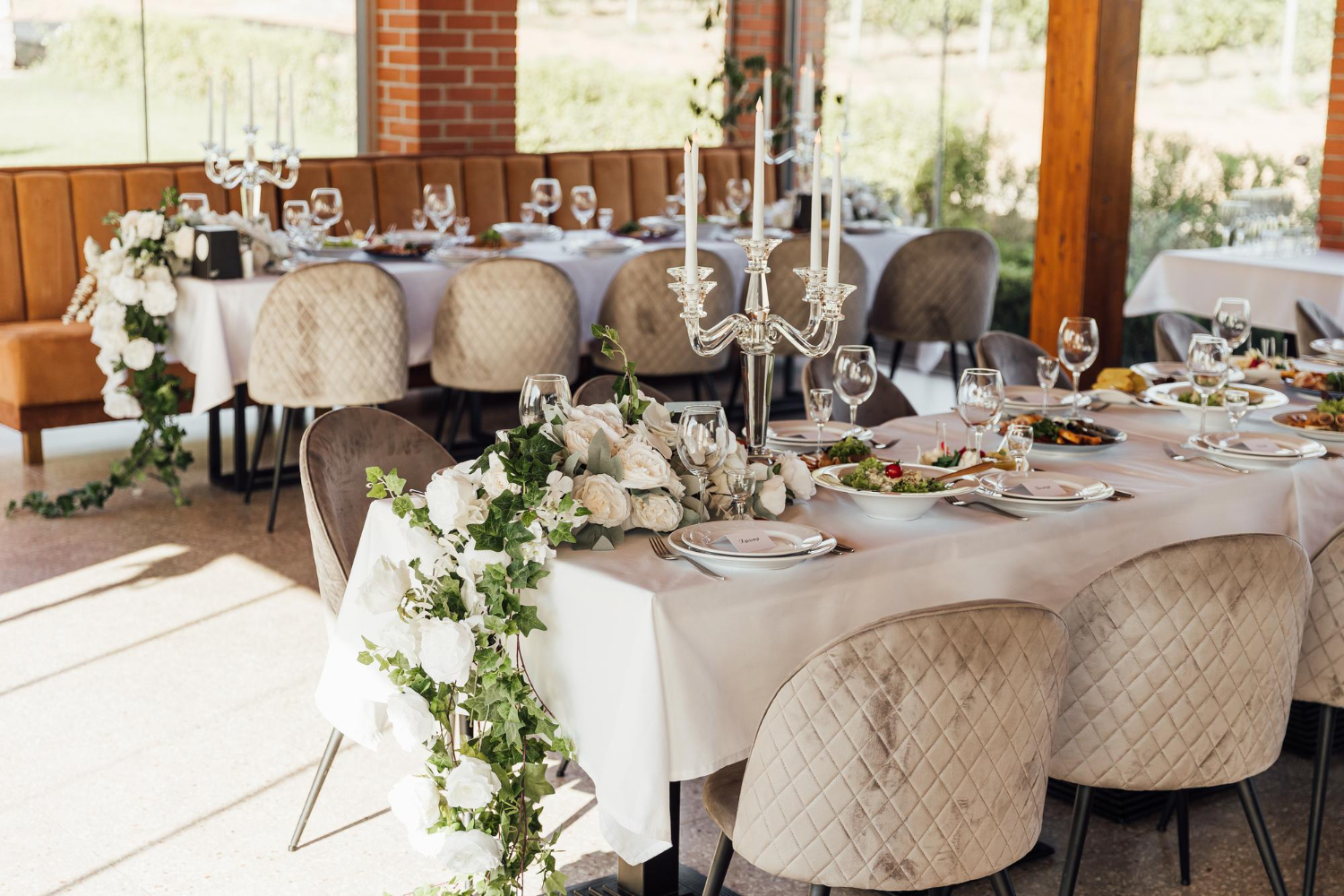
How to Seat Friends and Colleagues
The main rule is to group people based on shared interests, hobbies, or fields of work.
Main Table
Table 1 and Table 2 Parents and Close Relatives
Table 3 and Table 4 College and High School Friends
Table 5 and Table 6 Work colleagues and new acquaintances
If there are guests at the celebration who don’t know anyone, seat them with the most open and sociable people. The dynamics of conversation at the table are based on a balance of personalities: each group should have at least one outgoing extrovert who can effortlessly keep the conversation going and draw others into the dialogue.
Seating Arrangements for a Destination Wedding
When planning a destination wedding such as a sunny celebration on the Florida coast the logistics have their own nuances. Guests often fly in from different parts of the world or different states and don’t know each other.
To help them settle in, professional wedding planning for this type of event always includes pre-wedding welcome events, where guests have the opportunity to get to know each other in an informal setting before the main reception. At the reception itself, it’s best to group these guests by geographic region or language, creating an environment that feels as familiar and comfortable as possible for them.
Children at the Wedding: A Separate Table or Not
The decision depends on the number and ages of the young guests.
- A separate children’s table is justified if there are more than 5 children aged 5 to 12 at the celebration. In this case, it’s definitely worth hiring an entertainer to supervise the children and keep them entertained while their parents relax.
- Children under 5 years old are always seated next to their parents, as they require constant attention and assistance during dinner.
Seating Arrangements: 2026 Trends
Modern wedding etiquette, combined with technology, is setting new trends in seating arrangements:
- Digital and interactive seating charts that guests receive on their smartphone screens upon arrival at the venue.
- Aesthetic minimalism using clear acrylic, frosted glass, or natural stone instead of traditional paper stands.
- Personalized guest cards that also serve as small keepsake gifts (such as calligraphically signed candles or miniature succulents).
Remember that a beautiful seating chart must first and foremost be functional: the font should be easy to read even under evening lighting, and the display itself should be positioned so that lines don’t form around it.
How a Professional Wedding Planner Works
An experienced planner views the venue through the eyes of both an architect and a psychologist. We take into account factors that couples don’t even think about:
- Acoustic zones. Elderly relatives are never seated next to loud speakers, and young people are never placed in corners with poor acoustics.
- Technical flow. Tables are arranged so that waitstaff carrying hot dishes don’t have to squeeze between chair backs, and guests have unobstructed access to the terrace or dance floor.
- Climate control. We take air-conditioning zones into account so that no guest is bothered by cold drafts.
From the very day the long-awaited marriage proposal was made, every detail of the planning should bring joy, not a logistical headache.
Where to save money and where not to
- You can save on: complex and expensive physical production of the seating chart. A simple wooden or metal stand with minimalist printing often looks much more stylish than bulky plastic structures with excessive decoration.
- Don’t skimp on: the services of a coordinator on the day of the event. Even the perfect seating arrangement requires on-site supervision. If a guest arrives with an unplanned companion or decides to change seats on their own, the coordinator will instantly and tactfully resolve the situation without involving the newlyweds.
Professional Takeaway
The perfect wedding seating arrangement is the one that goes unnoticed. Guests simply arrive, easily find their names, sit next to pleasant conversation partners, and enjoy the evening. Creating a high-quality seating plan isn’t just about following formal rules it’s a demonstration of your sincere care for your loved ones, which guarantees the success of the entire celebration.
Modern wedding planning is the art of anticipating the little details before they become a problem. Contact Exclusive 4 You we’ll organize everything perfectly, develop the ideal seating plan, and ensure the utmost comfort for each of your guests from the very first moment of the celebration.
FAQ: Frequently Asked Questions and Answers
When should you start planning the seating chart?
The best time is 2–3 weeks before the wedding, once all RSVP confirmations have been collected and you know the exact number of guests.
How should you seat guests who don’t know each other?
Group them by age, professional interests, or hobbies. Be sure to introduce them to each other during the welcome cocktail hour before the banquet begins, so they’ll already be acquainted by the time they sit down at the table.
Should divorced parents be seated at the same table?
Only if they’ve maintained an excellent relationship and have expressed a desire to do so themselves. In other cases, it’s better to arrange two separate tables for the father’s family and the mother’s family.
Is a separate table needed for children?
Yes, if there are more than 5 school-age children at the wedding. For them, you should provide a separate menu and an entertainment program with an animator.
What should you do if guests change their plans at the last minute?
Keep 2–3 extra seats at the banquet and a few blank seating charts on hand. The wedding coordinator will be able to quickly make changes to the seating arrangement on the day of the celebration.

