
How to Overcome Panic at the Altar and Keep the Celebration Going
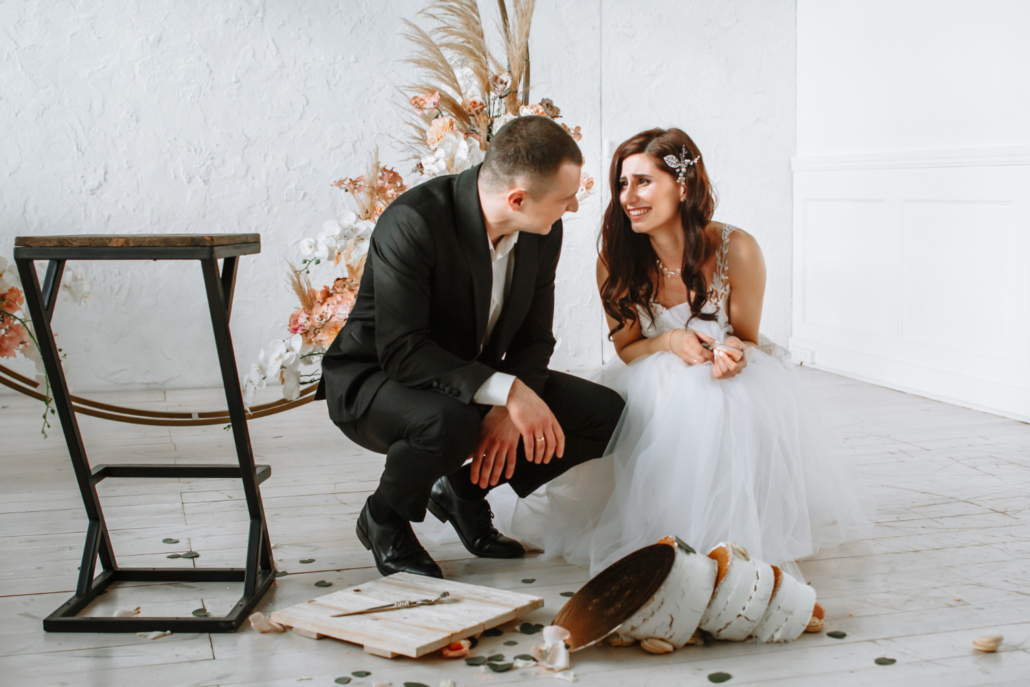
A wedding day is usually imagined as pure happiness, light-hearted smiles, and joyful anticipation. However, in real life, even the calmest people can feel a sudden wave of panic just minutes before walking down the aisle. A racing heart, shortness of breath, trembling hands, or a sudden urge to call it all off happen much more often than people tend to admit on social media.
Such a reaction doesn’t mean that a person has made the wrong choice or isn’t ready to start a family. It’s simply a natural response of an exhausted nervous system to a highly emotional event. High-quality wedding planning from the Exclusive 4 You agency guarantees not only beautiful decor and precise timing but also creates a sense of psychological security where the bride and groom feel safe.
Why Panic Sets In Before the Ceremony
It’s important to distinguish between ordinary fear and a physiological panic attack. From the very day the long-awaited marriage proposal was made, the couple begins preparing for the big event. Over the long months of preparation, fatigue builds up, making itself felt at the most critical moment.
The main causes of fear:
- Emotional and physical exhaustion from prolonged preparations
- Chronic sleep deprivation in the days leading up to the wedding
- Fear of being the center of attention in front of a large crowd
- The desire to live up to the expectations of parents and guests
- Fear of making a mistake during a public ceremony
What a panic attack looks like
Wedding planners observe various manifestations of pre-wedding stress. Sometimes the bride starts crying for no apparent reason, while the groom withdraws into himself or says he won’t be able to face the guests. A person may feel dizzy, nauseous, or experience a tightness in the chest.
From the outside, it looks dramatic, but this state can be easily managed if you act correctly and without panicking.
The biggest mistake people around them make
Parents or friends, with the best of intentions, often start to pressure them. Remarks like “all the guests are waiting” or calls to “pull yourself together right now” only make things worse. A person cannot shut off panic through willpower alone. Additional demands only trigger feelings of guilt and intensify fear.
What Actually Helps Restore Calm
The first and most important rule is to immediately clear the room of unnecessary onlookers. When stylists, photographers, videographers, and relatives are all in the room at the same time, the level of tension becomes critical.
The Role of Good Timing
Panic often arises from an overly tight schedule where every action is planned down to the minute. If makeup is delayed by ten minutes, it triggers a chain reaction of stress.
Experienced professionals always build in extra breaks for rest. For example, instead of the hustle and bustle during the morning preparations, you can organize a light romantic picnic in a cozy garden near the venue, where the newlyweds can enjoy a quiet breakfast together.
What You Should Never Do Under Any Circumstances
At a critical moment, there are actions that are guaranteed to make the situation worse:
- Don’t force someone to smile just for the sake of beautiful photos
- Don’t offer alcohol as a quick way to calm someone down
- Don’t start talking about the importance of marriage
- Don’t scare people by mentioning delays in the schedule or guest dissatisfaction
Alcohol only temporarily numbs the symptoms, but later increases anxiety, worsens well-being, and impairs coordination.
How a wedding coordinator handles a critical moment
A professional coordinator discreetly takes charge of resolving any unforeseen situation. While the bride or groom recharges in a calm setting, the team takes care of everything behind the scenes.
The coordinator tactfully postpones the start of the ceremony by 15 minutes, notifies the emcee, coordinates the photographers’ work, and serves guests additional drinks in the reception area. As a result, the guests don’t even notice the delay, perceiving it as part of the planned program.
How to Reduce the Risk of Panic in Advance
To ensure the wedding morning goes smoothly, it’s important to take care of your own well-being during the planning phase:
- Set aside a few days for complete rest and sleep in the week leading up to the wedding
- Forward all calls and vendor contacts to the coordinator
- Hold a rehearsal of the ceremony at the venue to alleviate the fear of the unknown
- Limit the number of guests in the room during the pre-ceremony gathering
- Create a schedule with mandatory time buffers
Intense anxiety before the ceremony is considered a completely normal reaction to major life changes. The goal of a professional team is to create a nurturing environment for you, where every detail contributes to your peace of mind. When you have experienced professionals supporting you, any stress quickly fades, leaving room only for genuine joy and love.
FAQ: Answers to Common Questions
Is it normal to panic at the altar?
Yes, this is a common reaction of the nervous system to accumulated fatigue, lack of sleep, and the high stakes of the moment.
Does this panic mean you have doubts about your partner?
No, in most cases, it’s simply physical exhaustion and a fear of public speaking.
How should family members respond to pre-wedding stress?
They should stay calm, ask anyone not directly involved to leave the room, offer a glass of water, and allow the couple some quiet time.
Can the start of the ceremony be delayed?
Yes, a delay of 10 or 15 minutes is perfectly acceptable and helps the bride and groom fully recover.
Does a glass of alcohol help calm the nerves?
No, alcoholic beverages only exacerbate emotional instability and worsen physical condition.
How can you prevent a panic attack?
Make sure to get a good night’s sleep the night before, don’t overbook the day with photo shoots, and leave the coordination to the professionals.
What should you do if your anxiety doesn’t go away for a long time?
Use slow breathing techniques, drink water in small sips, and give yourself as much time as you need.

