
The Evolution of Wedding Ring Styles: From Vintage to Modern Classics
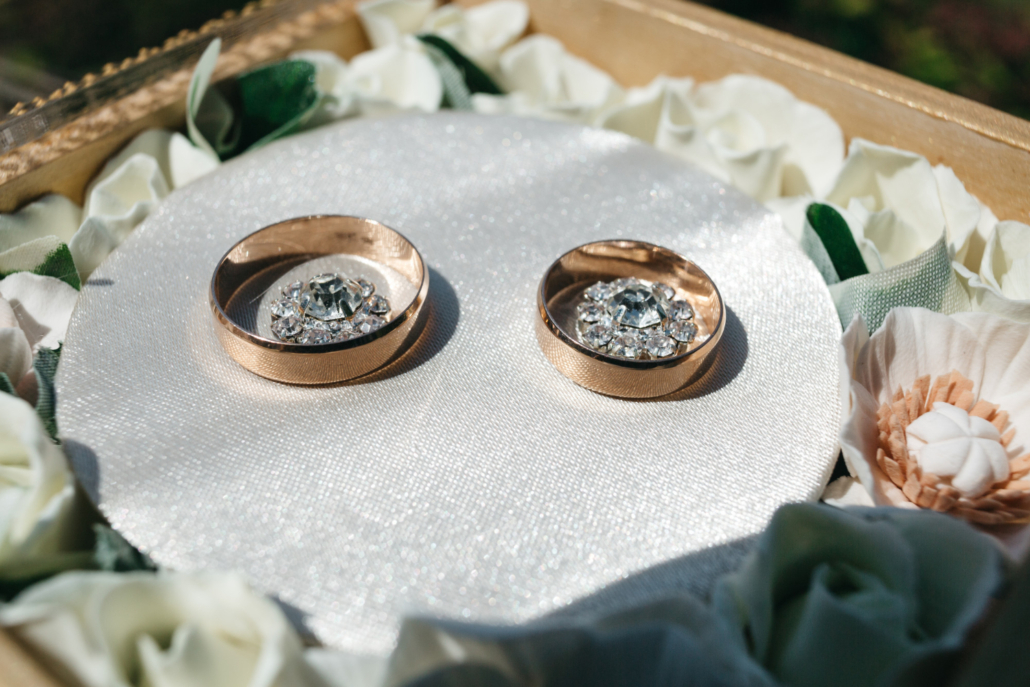
Choosing wedding rings often seems to engaged couples like one of the simplest tasks during their wedding preparations. However, these pieces of jewelry will be with you every day for many years to come. Couples often come to realize that what they love isn’t just the design of the ring, but the unique story behind this symbol of love.
The professional wedding planning services from the Exclusive 4 You agency help couples strike a balance between beauty and practicality when selecting jewelry. Our team develops a comprehensive concept for the celebration. We ensure that every detail of the couple’s look harmoniously complements the decor, venue, and the couple’s personal story.
Today, newlyweds are interested not only in the appearance of wedding rings but also in their origins and symbolism. Couples seek jewelry that reflects their personal values and character.
Where Does the Tradition of Wedding Rings Come From?
The first wedding rings appeared in Ancient Egypt. The Egyptians considered the circular shape of the ring a symbol of eternity, which has no beginning and no end. The space inside the ring symbolized the gateway to a shared future.
Initially, simple materials were used to make wedding rings:
- Sedge, reed, and leather. These materials wore out quickly, so the rings had to be replaced often.
- Iron in Ancient Rome. This metal became a symbol of the strength of the marital union.
- Gold and silver in the Middle Ages. Precious metals underscored a family’s high status.
The meaning of wedding rings has changed over time. Previously, they were a symbol of a legal contract, but today they have become a symbol of voluntary love and fidelity. This tradition has endured because people always need tangible confirmation of their feelings.
The Victorian Era: Romance in the Details
The Victorian period in the nineteenth century brought romance and attention to detail to the art of jewelry. Queen Victoria was very fond of symbolism, which immediately influenced the design of wedding jewelry.
Key features of the Victorian style:
- Deep hand-engraving and botanical motifs in the form of leaves or flowers.
- The use of colored gemstones, where the first letters of the minerals’ names formed romantic words.
- Depictions of symbols of love, such as intertwined hands, hearts, or doves.
Many modern vintage designs are inspired by this very period. Couples choose the Victorian aesthetic when they want to add tenderness and a unique character to their look.
Art Deco: When Geometry Became the New Luxury
In the 1920s and 1930s, the world experienced rapid development in industry and architecture. This was reflected in jewelry as well. The flowing, botanical lines gave way to the bold Art Deco style.
Jewelry designers of that era offered a fresh take on wedding rings:
- Clean geometric lines, symmetry, and contrasting shapes.
- The popularity of platinum and white gold, which accentuated the cool brilliance of diamonds.
- The use of stones with unusual cuts, such as emerald or baguette cuts.
The Art Deco style is once again at the height of its popularity. Modern couples choose it for its boldness and ability to stand out from standard designs.
Postwar Classics: The Birth of the Modern Wedding Band
After World War II, jewelry trends became simpler and more practical. Due to a shortage of gemstones, jewelers returned to minimalist designs.
Yellow and rose gold became the primary materials for jewelry. It was during this period that the familiar image of the classic wedding band took shape. It consisted of a smooth, semicircular gold band of medium width without any unnecessary embellishments. This design was comfortable for everyday wear, which made it the standard for many years.
Diamonds and Engagement Rings: How the Modern Tradition Began
The tradition of giving a diamond ring during an engagement began in the fifteenth century. At that time, Archduke Maximilian of Austria presented such a ring to Mary of Burgundy. However, this tradition became widespread in the mid-twentieth century thanks to a marketing campaign by De Beers with the slogan “A Diamond Is Forever.”
Over the years, tastes have changed. Couples have chosen everything from classic solitaire rings with a single stone to modern designs featuring three diamonds, which symbolize the past, present, and future.
There is a clear difference between the two types of jewelry:
- An engagement ring is given at the moment when the proposal to marry is made. It usually features a single center stone.
- Wedding bands are exchanged during the wedding ceremony. They have a more practical design for everyday wear.
Why Vintage Wedding Bands Are Back in Style
Today, there’s a resurgence of vintage style. This is driven by modern couples’ desire to move away from mass-produced items.
The popularity of vintage jewelry is based on several factors:
- Family heirlooms. Wedding rings passed down from generation to generation carry a unique family energy.
- Handcrafted. Traditional techniques produce details that are difficult to replicate with modern industrial equipment.
- Individuality. The chance of meeting someone with exactly the same vintage piece of jewelry is minimal.
- The romance of history. Every antique ring has its own secret and a special atmosphere.
Modern couples seek emotional value and authenticity, which they incorporate into their future family traditions.
Modern Classics: A Balance Between Fashion and Durability
Modern classics represent a choice in favor of functionality and understated luxury. This style is designed for long-term wear without losing its aesthetic appeal.
Features of modern classics:
- Minimalist design and clean metal lines.
- Simple geometric shapes without complex embellishments.
- Thin and medium band profiles that fit perfectly on the finger.
- Versatility that allows you to easily pair the wedding band with any outfit.
This design easily withstands fleeting fashion trends because it is based on comfort.
How to Choose Wedding Bands That Will Still Be Stylish in 20 Years
To ensure your jewelry brings you joy for decades to come, follow these simple guidelines when making your selection:
- Consider your lifestyle. If you play sports or do manual labor, a thin band with a high-set stone may become misshapen or snag on clothing.
- Prioritize comfort. The inside of the ring should have a rounded shape. This standard is called “Comfort Fit.” It prevents the metal from digging into your skin when your fingers swell.
- Balance in design. Complex shapes with many small details quickly accumulate dust and require frequent professional cleaning.
- Time-Tested. Simple shapes and durable metals, such as 585 gold or platinum, are the most reliable choice for long-term wear.
Common Mistakes When Choosing Wedding Bands
The desire to find a unique piece of jewelry often leads to mistakes that only become apparent once you start wearing it every day.
Choosing Based Solely on Short-Term Trends
- Problem: Buying overly wide, geometric designs that are only in style this season.
- Consequences: In a few years, such a design may look out of place or clash with a changing personal style.
- Solution: Choose designs that combine trendy accents with a classic foundation.
Ignoring everyday comfort
- Problem: Choosing jewelry with sharp edges or complex decorative protrusions.
- Consequences: The ring will scratch your skin, snag on your clothes, and cause constant discomfort in your daily life.
- Solution: Be sure to check the ring’s comfort by clenching your hand into a fist while trying it on.
Buying jewelry without trying it on in person
- Problem: Ordering a ring based solely on a beautiful image on a smartphone screen.
- Consequences: The actual shade of the metal or the width of the ring may not match the shape and color of your hand at all.
- Solution: Try on similar models at a jewelry store before placing your final order.
Overly Complex Design
- Problem: Combining matte textures, engravings, and many small stones in a single wedding band.
- Consequences: The matte surface wears down to a glossy finish over time, and dirt trapped under the stones spoils the jewelry’s overall appearance.
- Solution: Stick to one or two accent design elements.
Relying Solely on Social Media Photos
- Problem: Ignoring the jewelry’s technical specifications in favor of a pretty photo on your news feed.
- Consequences: A thin band may crack under daily wear, and large stones will get in the way during everyday household chores.
- Solution: Choose jewelry that combines aesthetic appeal with structural durability.
How Wedding Bands Reflect the Style of a Modern Wedding
Jewelry always plays a key role in the overall visual concept of your celebration:
- Luxury wedding. Platinum jewelry with large diamonds is ideal for grand, classic weddings.
- Beach wedding. For a celebration by the water, light, minimalist wedding bands or designs with organic, natural motifs are appropriate.
- Destination wedding. For a wedding in another country or state, practical yet elegant designs that are comfortable to wear while traveling are ideal.
- Classic wedding. A traditional celebration calls for time-tested choices, such as smooth yellow gold wedding bands or solitaire rings.
- Intimate wedding. An intimate setting pairs well with personalized jewelry featuring unique engravings on the inside.
- Old money aesthetic. The “quiet luxury” style is emphasized by matte platinum or gold wedding bands without excessive shine or large logos.
Practical Recommendations
- Start looking for wedding bands at least 2–3 months before your planned wedding date. This will give you time for custom fabrication or sizing adjustments.
- If you plan to order custom engraving, allow an additional 1–2 weeks for this process.
- Set a budget for your purchase in advance to narrow down your search and avoid unplanned financial expenses.
- To preserve the original luster, have your jewelry professionally cleaned and restored by a jeweler on a regular basis.
Where You Can Save Money—and Where You Shouldn’t
- You can save on: Brand name and packaging. A ring from a well-known global brand costs more due to the premium attached to the name. A local professional jeweler, on the other hand, can craft a similar design at a more affordable price. Instead of overpaying for a brand name, it’s better to organize a cozy romantic picnic for the two of you to celebrate the purchase in a peaceful atmosphere.
- Don’t skimp on: The quality of the metal and professional craftsmanship. Cheap alloys quickly lose their luster and become deformed from daily use. Poorly set stones fall out, and an incorrectly chosen size will make you worry about losing the jewelry.
Jewelry trends change just as quickly as wedding decor trends. However, the best wedding rings are always timeless. They don’t try to keep up with fleeting trends; they simply tell the story of two people who have decided to spend their lives together.
Contact Exclusive 4 You—we’ll take care of every detail of your wedding preparations, help you create the perfect style, and select the best artisans to bring your ideas to life.
FAQ: Frequently Asked Questions and Answers
What wedding bands are most popular right now?
Today, the most popular choices are smooth, medium-width yellow gold bands, minimalist platinum designs, and pieces with a subtle matte finish.
How do vintage wedding bands differ from modern ones?
Vintage models feature unique, intricate designs (hand-engraved), which were often crafted by hand. Modern wedding bands emphasize simplicity, clean lines, and maximum practicality for everyday wear.
Which is better to choose: gold or platinum?
Both metals are excellent choices. Platinum is heavier, more durable, and doesn’t lose its color over the years. 585-karat gold is more malleable, easier to care for, and more affordable.
Should you buy diamond wedding rings?
Yes, if the design matches your everyday style. Choose models with secure stone settings (such as channel or bezel settings) to prevent the stones from falling out.
What wedding ring styles never go out of style?
Simple, semi-circular, and flat gold bands of medium width—3 to 4 millimeters—without intricate decorations remain timeless for many decades.
When should you buy wedding rings before the wedding?
The best time to buy is 2 months before the wedding. This ensures you’ll have enough time for fittings, size adjustments, or engraving.
How do you choose wedding rings that will still be in style many years from now?
Focus on comfort, high-quality metals, and a minimalist design. The simpler the ring’s shape, the easier it will adapt to changes in your lifestyle.

