
A Barefoot Wedding – Romance or an Ordeal?
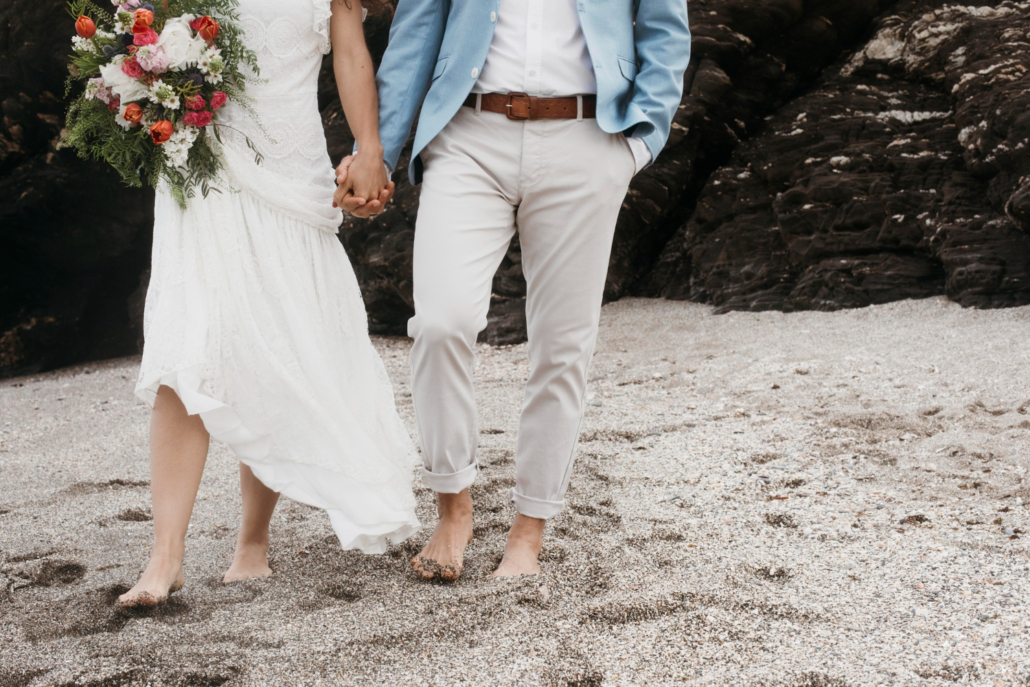
In promotional photos, beach ceremonies look carefree. The bride takes off her shoes, walks on the sand, the light fabric of her dress flows beautifully at the water’s edge, and there’s a complete sense of freedom from the pomp and circumstance of a banquet hall. But in real life, the ocean shore puts the couple’s plans to the test every minute.
An experienced wedding planner in Miami sees the flip side of this coastal aesthetic. By 1:00 p.m., the light-colored sand heats up to the temperature of a frying pan, and as evening approaches, the tide imperceptibly washes away several meters of the shoreline. Add to that a sudden gust of salty wind and elderly relatives who find it physically difficult to walk even thirty meters across the shifting dunes. A barefoot ceremony can indeed evoke incredible emotions, but only if the romantic mood is backed by sound engineering calculations.
Exclusive 4 You organizes beach weddings along the South Florida coast in such a way that the natural beauty of the water remains a source of joy, rather than turning into an exhausting battle against the elements.
The Treachery of Coastal Sand During the Ceremony
Sand is radically different from the static floor of a ballroom or park paths. The average person imagines a walk along the shore as a light jog from a romantic movie. In reality, every step on loose sand takes three times as much effort, forcing you to involuntarily tense your feet and adjust your posture.
For a short photo shoot of two lovers, this isn’t a problem. But when dozens of guests of all ages arrive at the location, complications arise. The cameramen’s heavy equipment gets bogged down in the sand, the festive skirt of a dress absorbs moisture, and tiny grains of sand get lodged in the smallest crevices of equipment and furniture. A beautiful beach area requires the installation of hidden, sturdy walkways, the preparation of solid foundations for massive sets, and a separate route for guests with limited mobility.
The Midday Sun’s Temperature Trap
The most common mistake in DIY planning is choosing a location based on beautiful sunset photos without considering actual temperature fluctuations. A venue that seems cool and cozy at 7:00 p.m. turns into an unbearable furnace by 2:00 p.m. The light-colored quartz sand heats up so much under the direct southern sun that walking on it barefoot becomes physically painful.
That’s exactly why proper wedding planning in Miami starts with studying weather maps and accurately calculating the angle of the sun’s rays. The optimal window for walking barefoot opens about an hour and a half before dusk. The midday stifling heat subsides, the seashore radiates a pleasant, velvety warmth, and soft lighting falls on faces without harsh black shadows. The outdoor portion of the ceremony by the ocean is kept brief, after which guests are smoothly ushered into air-conditioned pavilions or enclosed restaurant terraces.
What Happens to Wedding Attire by the Water
Ocean salt, wet sand, and sea foam can ruin the ethereal look of a wedding train in a matter of minutes. Damp sand instantly clings to the fabric fibers, weighing down the train and leaving dark stains that are difficult to remove. To preserve the dress’s aesthetic appeal, it’s best to choose one of the tried-and-true options in advance.
- Go barefoot only during the exchange of vows. The bride takes off her shoes right before stepping onto the aisle, exchanges vows, poses for a few iconic photos, and immediately returns to a designated rest area, where coordinators help her quickly clean her feet and change into comfortable evening sandals.
- Wearing two dresses. The main outfit is reserved for the official reception of guests and the formal banquet, while for the barefoot walk along the shore, choose a light, changeable dress made of silk or batiste that can withstand salt spray.
- A completely casual style for the celebration from the very beginning. The groom’s suit is tailored from thin, light-colored linen; the bride’s dress features a short, open hem; and going barefoot becomes the central aesthetic theme of the event.
How to thoughtfully ensure your guests’ comfort
Never force guests to take off their shoes as a mandatory requirement. Young people will happily embrace this idea, leaving their sneakers or shoes right at the entrance to the sand. However, for elderly relatives or people with sensitive skin, this could cause physical discomfort or even a fall.
In the invitations, this format is described as a comfortable option, not a strict rule. The best solution is to create a comfortable reception area where the paved boardwalk meets the sandy beach. Here, you can set up neat wooden shelves with individual shoe bags, provide soft cotton towels, special brushes for quickly brushing off sand, comfortable woven slippers, and cool water with citrus fruits. When everyone feels that their personal preferences are being taken into account, the celebration brings nothing but joy.
Decorations Battling the Ocean Breeze
A sea breeze looks pleasant on video, but in reality, a fresh wind can topple an unstable floral column in a matter of seconds, scatter paper decorations from the tables, and extinguish any open flame.
Professional wedding planning by the water relies on the use of structurally engineered designs. Wedding arches are secured to weighted metal bases with deep screw piles that hold firmly in loose sand. For floral arrangements, preference is given to sturdy palm fronds, orchids, and succulents, which can withstand gusts of wind and do not wilt from the salty ocean breeze. Open flames are completely replaced with safe LED candles or enclosed in heavy glass containers of sufficient height.
City Permits and Florida Beach Laws
The shoreline is a public municipal space with strict regulations, not a wild area for the uncontrolled setup of stages or tents. Local authorities in resort areas impose clear regulatory requirements on any private events.
To set up an arch and chairs on a city beach, you must obtain a municipal permit in advance. This document strictly limits the maximum number of attendees, the hours during which the beach may be used, the permissible volume of sound systems, and the allowed dimensions of structures. Erecting large tents without authorization risks attracting city inspectors and resulting in significant financial fines. The organizer takes care of all legal matters, leaving the bride and groom with nothing but pure, positive emotions.
True spontaneity requires precise planning
A barefoot wedding should not turn into a haphazard improvisation. True beauty lies in creating conditions where the ocean’s elements enhance the solemnity of the moment rather than disrupt the couple’s plans. When the sand gently warms your feet, the arch stands steadfast against the wind, and guests feel at ease and protected, the event takes on a special sincerity.
The Exclusive 4 You team harmoniously combines all the technical and visual elements of a beach celebration. We’ll develop a detailed plan, secure the necessary permits, prepare a backup plan in case of inclement weather, and give you a sense of complete security on your big day.
FAQ: Answers to Common Questions
Is a barefoot wedding suitable for a large number of guests?
Yes, this format is entirely feasible for large-scale events, but it requires the installation of compacted walkways for easy movement and the provision of stable chairs for every guest.
Are absolutely all guests required to take off their shoes on the sand?
No, this should remain a personal choice for each individual, so the organizers provide comfortable shoes to change into or the option to watch the ceremony from a covered terrace.
How can you effectively protect your feet from the hot sand?
The best solution is to move the start of the ceremony to an earlier time, minimize the time spent in direct sunlight, and lay soft protective walkways along the main aisle.
Can seawater ruin a wedding dress?
Contact with salt water and wet sand leaves noticeable marks on delicate fabric, so for walks along the shoreline, brides usually order a light, changeable dress or secure the train with special loops.
Why hire a planner for a simple event by the water?
Even the simplest beachfront event requires preparing a backup plan in case of wind, keeping track of sunset times, coordinating municipal permits, and ensuring the physical comfort of guests.

